

The Comfort Trap: Why Being "Under Control" is a High-Risk Environment
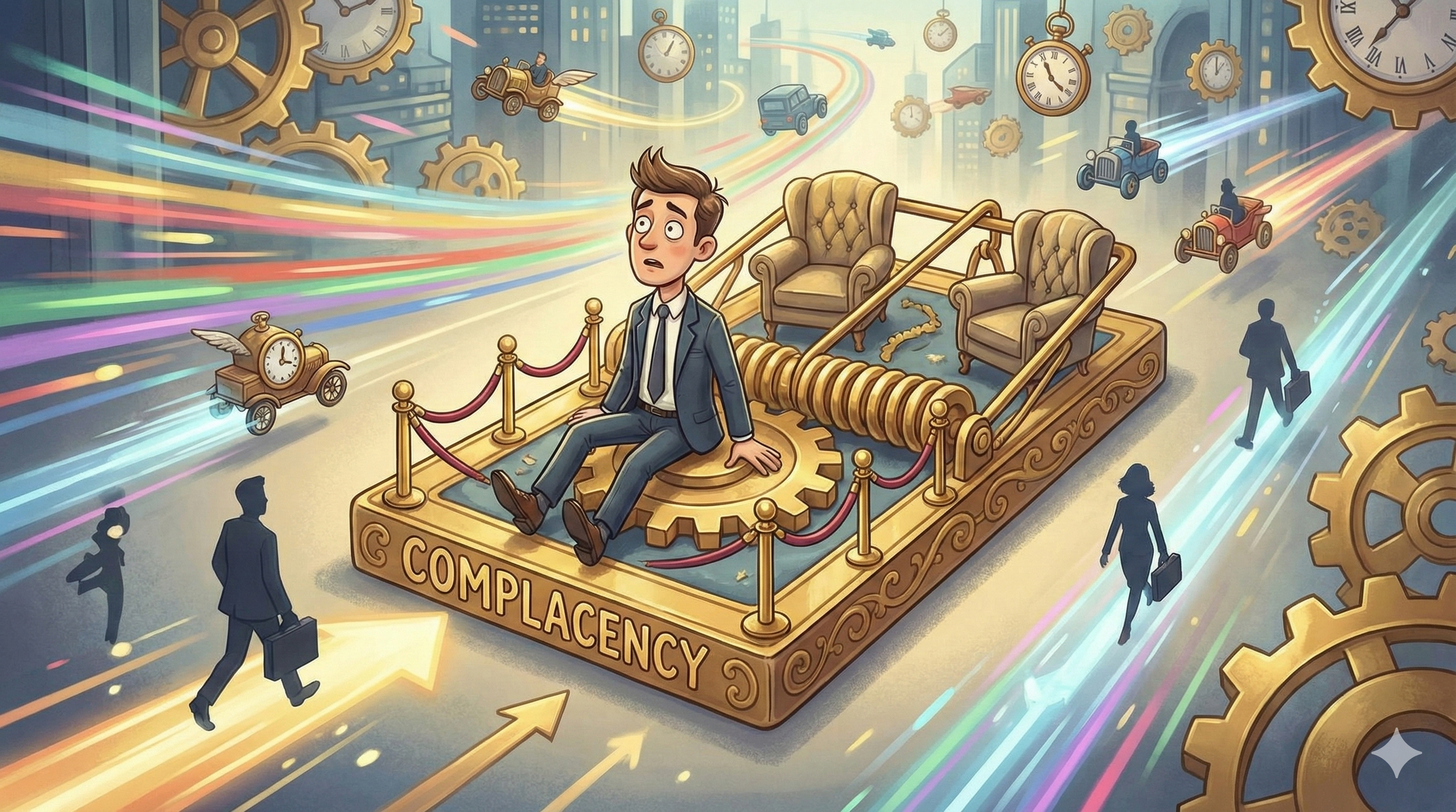
Comfort is the greatest enemy of growth for the modern retail leader.
We have all had those shifts where the store feels like it is running itself. The shelves are zoned, the team is hitting their marks, and for once, the office isn't overflowing with paperwork. It is a rare moment of peace in a business that is usually defined by "managing the grey." In those moments, it is incredibly easy to sit back, take a breath, and think that we finally have everything completely under control.
But that feeling of total control is often the most dangerous place a leader can be. When we get too comfortable, we stop looking for what is coming next. Business is not a "black and white" environment where once you solve a problem, it stays solved. It is a living, breathing thing. Getting comfortable is actually a high-risk environment for a business or a leader at any level. It is the moment you stop thinking about the possibilities, and that is when you start to lose your edge.
The Danger of the Status Quo
There is a big difference between being satisfied with your results and being complacent with your process. We should absolutely celebrate achieving our goals, but that satisfaction shouldn't lead to a lack of movement. Leadership is an "always on" role where everyone is watching your next move. If you aren't looking for the next small improvement or seeking better efficiency, you are essentially waiting for a crisis to force your hand.
It is not about being constantly busy just for the sake of being busy. We have enough distractions as it is. Instead, it is about being intentional with your thinking. It means investing time to ask where you can find that extra bit of better efficiency. If you anticipate that something might go wrong six months from now, what steps can you take today to mitigate it? That is the real work of leadership—managing the situation and the resources before the situation starts managing you.
Stop Asking Generic Questions
We have all been guilty of walking the floor and asking a team member, "How is it going?" or "Do you need anything?" Nine times out of ten, you are going to get the same generic answer: "Everything is good."
Some of that response comes from their own comfort. They don't want to "stir up the pot" or take on something new if the current routine is working. But a lot of it comes from how we frame the question. When you ask a general question, you get a status quo answer. If you want to break the comfort trap, you have to get specific.
Try asking, "What if we changed this one part of the process?" or "I noticed this doesn't always work perfectly, how does that affect your day ?" When you provide a specific example or a "what-if" scenario, you open up a real dialogue. It helps people think differently because they aren't just reacting to your presence, they are engaging with a problem they might have been ignoring because they were too comfortable with the workaround. Leaders need to dedicate time, maybe a few times a week, just to sit with these questions. It doesn't mean something is wrong. It just means you refuse to be complacent with "good enough".
The Five-Minute Morning Scan
A simple way to keep yourself from falling into the comfort trap is to spend five minutes every morning asking yourself what could go wrong today. It is a mental exercise in being prepared. You don't need a crystal ball to anticipate potential barriers. You just need to be honest about the variables in your business.
Think about these scenarios:
Personnel Shifts: What if my best person walks in and tells me they found another job today?
Schedule Disruptions: What if my boss calls in three hours and needs a report that wasn't on my schedule?
External Competition: What if a new competitor opens up right across the street next month?
Thinking through these things doesn't mean you are living in a state of high alert. It just means you are preparing your mind for the inevitable shifts. If you are comfortable today because your sales are great, but you know a competitor is coming, how are you going to mitigate that impact? If you wait until they open their doors to start planning, you have already lost. Being proactive means creating a "roadmap for recovery" while you still have the luxury of time.
The Frog in the Proverbial Pot
You may have heard the story of the frog in the pot of water. If you drop a frog into boiling water, it jumps right out because the crisis is immediate and obvious. But if you put that frog in cold water and slowly turn up the heat, the story goes that the frog stays there, adjusting its body temperature to the warming water, until it eventually reaches a boiling point.
While it is a grim analogy, it illustrates exactly how comfort can sneak up on a business. Changes are happening around us every day, often in very subtle ways. Because we are comfortable, we don't notice the water getting warmer. We don't see the slight dip in customer engagement or the slow erosion of our standards. Then we find ourselves in trouble and wonder how it happened so fast.
The trick is to "scan the horizon" constantly. You need to look for those signals even when they are subtle. This shouldn't be anxiety-inducing. In fact, it should reduce your stress. The more you anticipate future possibilities, the less chaos you experience when a crisis actually hits. When you are proactive, you have the time to "test and learn". You can try different adjustments and see what works without the pressure of a boiling pot over your head.
Moving Toward a Proactive Future
The "comfort trap" is really just the death of growth. Effective leaders know that they must stay curious and never stop learning. They understand that while the current situation might be working, the future is inevitably going to bring change.
Don't let the satisfaction of a good week turn into complacency. Use that stability as a foundation to take risks and try new things. Ask the hard questions, scan for the subtle changes in your environment, and always be looking for the "what's next." It is much easier to make adjustments when you are moving than it is to start from a dead stop when the world forces you to change.
How do you protect yourself from falling into the complacency trap?
Get leadership tips and new articles you can use directly to your inbox. Join the thousands of other leaders continuing your leadership development journey with **Effective Retail Leader.com. **
DISCLAIMER: I participate in the Amazon Services LLC Associates Program, an affiliate advertising program designed to provide a means for me to earn fees by linking to Amazon.com and affiliated sites. Other links to third-party products and services may also be affiliate links.