

The 2026 State of Retail: From Survival to Execution in an AI Obsessed World
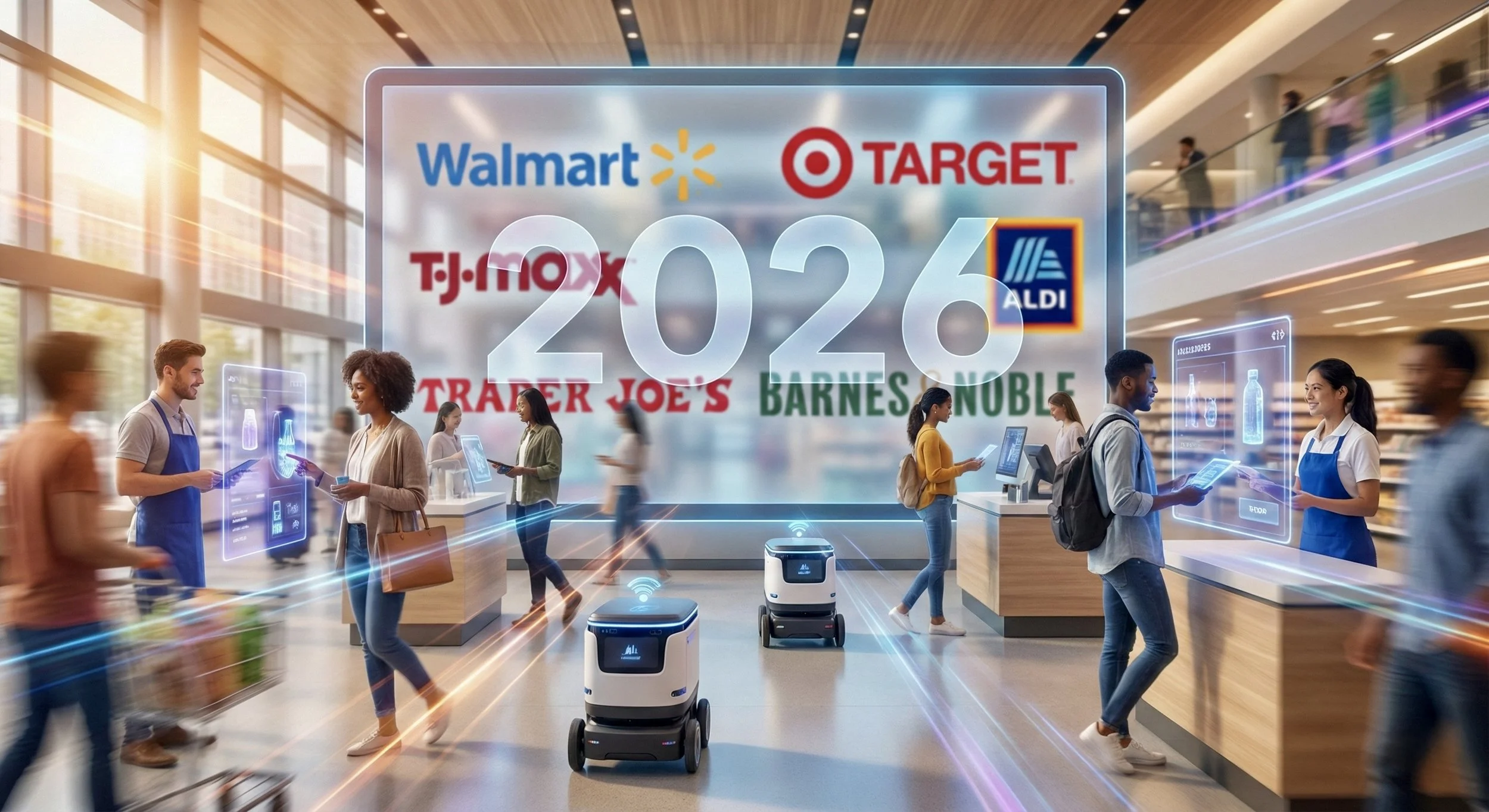
Navigating the intersection of human leadership and advanced retail technology in 2026.
The following article is a condensed version of a report originally published by Accents Enterprises, and is shared here for our retail leadership community.
If you feel like you’ve been on a five-year roller coaster, you’re not alone. We’ve moved through pandemic lockdowns, a stimulus-fueled shopping spree, the crushing weight of 2024’s store closures, and 2025’s “Inflationary Mirage.” Now, standing at the beginning of 2026, the industry has reached a crossroads where the "easy wins" are long gone.
The theme for 2026 isn't just about surviving change; it’s about precision in execution. We are entering a landscape where nominal sales numbers might look high, but the reality on the ground is far more complex. For leaders and executives, this is the year to stop reacting to every headline and start mastering the fundamental shift in how people shop, work, and connect with brands.
The "Spending Hangover" and the Q1 Reality Check
At the end of 2025, we saw something fascinating: consumers were "front-loading" their purchases. Fearing the new 2026 tariff schedules, shoppers pulled forward their spending on durable goods (electronics, appliances, and home gear) into the final months of last year. While that gave us a historic $1 trillion holiday season on paper, it has left us with what economists call a "Spending Hangover" for early 2026.
For the store leader, this means the first few months of this year might feel sluggish. Household debt is at record highs, and middle-income consumers are hitting their credit limits. We are seeing a bifurcated market: high-income shoppers are still resilient, while others are aggressively trading down to private labels and discount formats to make ends meet.
Executive Insight: If your organic growth feels limited, remember that in 2026, market share isn't just found. It must be captured from competitors through superior value and better local execution.
The Rise of Agentic AI: Beyond the Hype
If 2025 was the year of "trying" AI, 2026 is the year of embedding it. We’ve moved past simple chatbots and into the era of Agentic AI: autonomous systems that can reason, plan, and execute tasks without waiting for a human to click a button.
Retail giants like Walmart are already using these agents to identify root causes of inventory issues and autonomously reorder stock based on real-time demand. But this isn't just for the C-suite. For the local leader, this technology is starting to show up in agentic commerce, where AI assistants make brand-independent purchase decisions for customers based on durability and sizing.
While the talk is loud, the reality has been more muted. Businesses will be more careful about implementation to avoid costly mistakes, and customers will remain wary of privacy implications. AI can only do so much for you right now; intentionality in your approach remains critical.
The Great Value Migration
As the industry navigates this sobering reality check, the definition of the value shopper has fundamentally shifted. This is no longer just about the lowest price; it is a "flight to value" where consumers demand quality and trend relevance alongside affordability.
1. Food: The Disrupters vs. The Old Guard The US grocery landscape is undergoing a radical shift toward discount formats.
Aldi: The fastest-growing grocer, aiming for 2,800 stores by the end of 2026. With a 90% private-label assortment, they offer prices up to 36% lower than traditional competitors.
Trader Joe’s: successfully positions itself as "affordable premium," offering a treasure hunt experience that justifies the trip even for affluent shoppers.
2. Clothing: Off-Price Supremacy Off-price retailers have mastered the art of the treasure hunt, stealing share from department stores like Kohl’s and JCPenney, which are currently suffering from identity crises.
TJX Companies (T.J. Maxx, Marshalls): The category gold standard. TJX reported a 5% comp sales increase by using a "load-up" inventory strategy to secure branded goods manufacturers needed to offload.
Ross Stores: Captures the Gen Z "trade down" consumer by sticking to rock-bottom pricing and a no-frills experience.
3. Discount Mass: The Battle for Efficiency
Walmart: Achieved "everything, everywhere, all at once" status. They are growing profit faster than sales by monetizing high-income traffic through advertising and membership.
Target: Entering 2026 with a $1 billion capital investment to elevate the store experience and use AI ("Target Trend Brain") to predict trends faster. It is encouraging to see new CEO Michael Fiddelke putting more payroll back into stores to maintain standards.
Success Stories: The Localized Differentiator
Despite economic pressures, some brands are thriving because they’ve mastered the balance between global scale and local soul.
Barnes & Noble: The Indie-National Hybrid Barnes & Noble is on track to reach 1,000 locations by leaning into an "indie bookstore" vibe. Their secret? CEO James Daunt handed control of product selection and merchandising back to local booksellers. They value the knowledge of local trends that a corporate algorithm simply cannot match.
Costco & Trader Joe's: The Loyalty Moat Costco and Trader Joe's continue to buck the trend by focusing on extreme value and an in-store experience that cannot be replicated on a screen.
Actionable Steps for 2026 Leaders
Success in 2026 comes down to how you lead your people through this transition. The human element in an AI-obsessed world will be a huge factor in your success.
Coach More, Hand-Hold Less: We want our teams to be successful. But there is always a fine line in when and how we jump into situations. Coaching someone is providing support that empowers them; hand-holding them shields them from consequences and prevents growth. In a high-pressure year, don't just solve your team's problems for them, coach them to find the solutions themselves. This becomes even more important as AI tools provide recommendations that front-line employees will have to make judgement calls on.
Schedule with Intent: Payroll is a constant battle, especially with rising healthcare costs. Stretch your dollars by ensuring your most skilled people are in front of customers during peak hours, not just stocking shelves in the back.
Maintain the Foundation: One missed recovery leads to another until the standards are on the floor. In 2026, details matter more than ever because customers are being more selective about where they spend their limited dollars.
Where We Go From Here
The state of our industry in early 2026 can be a bit scary, but it is far from a lost cause. People still love the magic of retail: the discovery, the human connection, and the thrill of finding exactly what they need.
The winners this year will be those who are agile enough to shift with their customers and brave enough to trust their local leaders. We have to stop playing catch-up and start leading with a clear vision of who we want to be in this new, agentic world. Even in a world of AI agents and autonomous supply chains, the care one person shows to another cannot be emulated by a computer. Retail is still a human business.
Get leadership tips and new articles you can use directly to your inbox. Join the thousands of other leaders continuing your leadership development journey with **Effective Retail Leader.com. **
DISCLAIMER: I participate in the Amazon Services LLC Associates Program, an affiliate advertising program designed to provide a means for me to earn fees by linking to Amazon.com and affiliated sites. Other links to third-party products and services may also be affiliate links.