

Managing Unequally, Part 2: Where You Spend Your Time
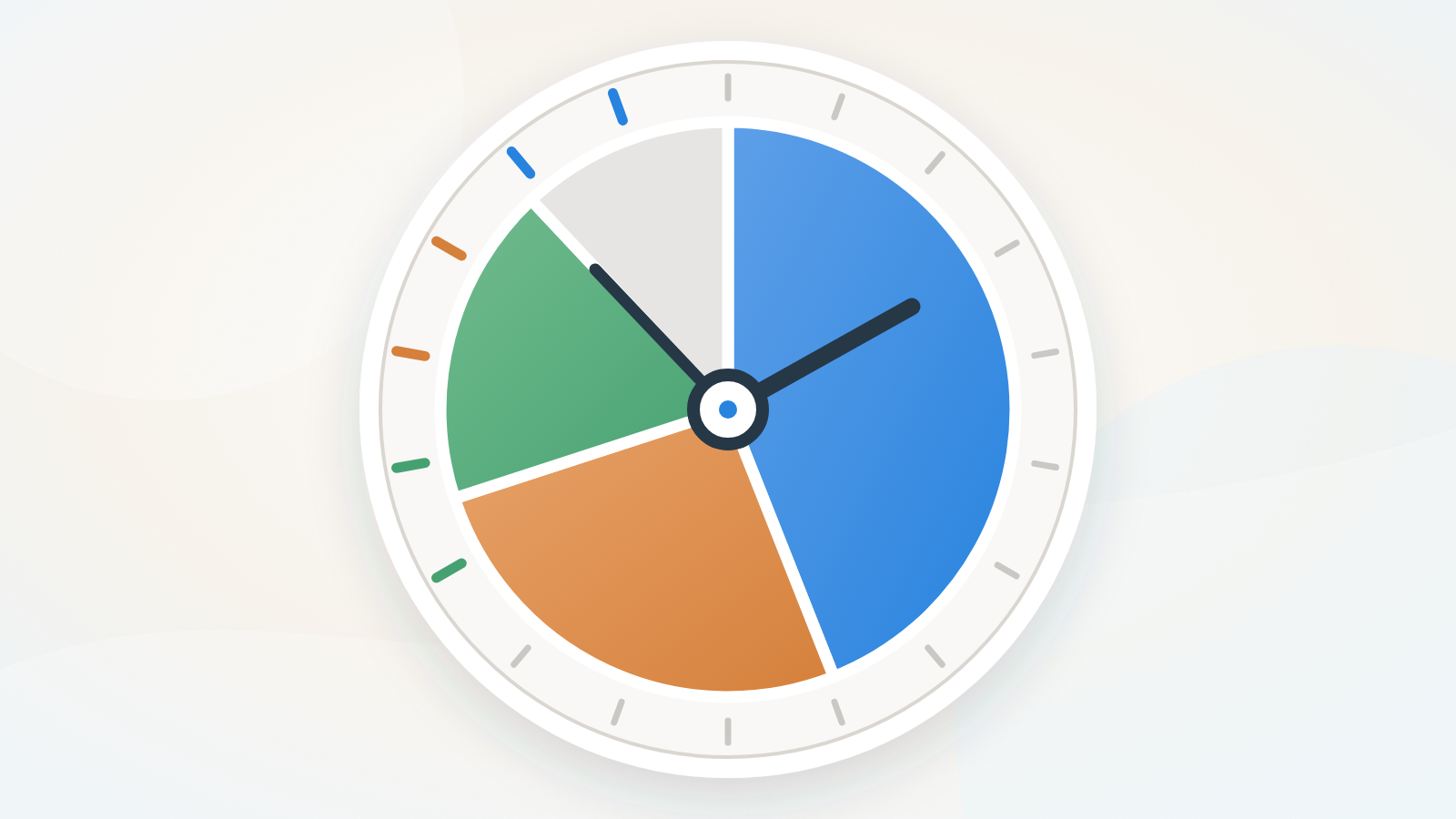
Creating shorter feedback loops through intentional calendar planning.
In the previous article, I shared a story from many years ago about running an 18-store district that was only achieving 85 percent of sales plan. I paused, took a step back, and looked at the results differently. Not as one district average, but store by store. The answer was not in the average. It was sitting in six stores. Four were driving almost the entire miss, and two more were just under where they needed to be. If we got those six close to plan, the district went over plan.
So I changed how I spent my time. I stopped giving every store the same version of my attention and started spending more time where the upside was significantly higher. Here is what that actually looked like.
What I stopped doing
I did not abandon those twelve other stores. I still needed them to perform at or above the level they were already delivering, and I did not want anyone to feel like they had lost support. I just changed what that support looked like. They got a different kind of contact: a phone call in the morning while I was driving, a quick check-in in the afternoon, or a short visit if one of them was on the way to somewhere else. I would pop in, say hello to the team, keep the connection alive, and get back on the road. Short visits instead of full ones. Enough to make sure everything was continuing as expected.
Those stores were performing. They did not need me there as often, or in the same depth, as the others. I framed that as trust, I trusted those leaders to keep running their business, and I told them I was spending more time in stores that needed more help getting to the same level of results. They still needed to know I was there, that I saw what they were doing, and that they could reach me. But adjusting the time I spent with them is what created the room to give the other six stores the attention they needed.
What "spending time" actually meant
I am careful with the advice to "go spend more time in the store," because it can sound generic. Worse, it can sound like I am telling leaders to take over. I am not. I was not there to become the store manager. I was there to be present, observe, understand, and coach. Sometimes that meant a longer visit. Sometimes it meant changing the day or time I showed up. Sometimes it meant watching first and saying very little until I understood what was actually happening.
The goal was not to "fix" the store for them and then go back to the regular routine. The goal was to help the leaders get better, help their teams get better, and make the improvement sustainable. We have all seen the other version: someone swoops in to "fix" a store, leaves, and six months later the store slides right back.
That is why planning and intentionality mattered. I stayed long enough to see shift changes between managers. You learn a lot in that handoff. You see whether the closing team knows what the opening team did, whether priorities carry from one shift to the next, and whether standards hold or slide when leadership changes hands. You also meet people you would never meet during a normal midday visit.
I varied the days and times I showed up because stores do not operate the same way all day, every day. Morning tells you one thing. Afternoon tells you another. Evening tells you something else entirely. If you only visit at the same time, you only see one version of the store.
I observed before I coached. That changed the conversations completely, because I was no longer asking general questions from a report. I was asking about things I had watched happen.
"Why do you think that is happening?"
"Here is what I just saw."
"How come this is set up this way?"
That made the feedback better. It also made the help more useful, because I understood what the manager was actually up against instead of guessing from the numbers. I am sure some people, including the managers, got tired of me being in the stores at first. But once they understood the purpose, the dynamic changed.
There still needed to be concern. There still needed to be pressure. When results are not where they are supposed to be, there should be urgency around improvement. The difference was that the extra time allowed them to see my commitment to their success. It was not just an "inspect and correct" visit. It was support, pressure, and follow-through at the same time.
The conversation I would not soften
I was direct with those managers about why I was there. "I am going to be spending more time with you because your store is missing plan, and that is hurting the entire district. The other stores are working hard to hit or beat their numbers, and your store is not there yet."
I was also clear that it was not personal or a judgment about how hard they were working. But we all know there is a difference between working hard, staying busy, and producing the results the business needs. The message was simple, let's solve this together.
That clarity was important for both of us. It might have been difficult to hear, and it could certainly bruise their pride. But when that discomfort turned into an acknowledgment that something needed to change, I felt better about the possibility of a faster recovery. Recognizing the need for support and coaching was a much more promising starting point than resisting it or insisting they could solve everything on their own.
Leaving it unsaid would have been worse. Then the manager would simply see their boss showing up more often, fill in the blanks, and assume they were being micromanaged. None of that would help, and it was never my intention. I stressed that I was not there to run the store for them. I wanted them making the decisions. I wanted to observe those decisions, see their impact as it happened, and help make adjustments when necessary.
Those early conversations established two things. They made the stakes real, and they framed the work as a partnership. Not, "I am here to catch you." Instead we could clearly discuss: here is the problem. Here is why it matters beyond your four walls. And I am staying to help you fix it. Most of them understood and appreciated the investment in their success.
The feedback loop got a lot shorter
Speed of impact was an added benefit I hadn't fully realized. It is easy to lose track of time between visits when you are managing the full district. Weeks can pass and you don't fully connect how much time has gone by from when you saw something last. The distance between visits can matter a lot when the changes needed are subtle. Instead of weeks between visits, it was a couple of days.
We would look at what had changed, talk to the team, adjust, and set the next checkpoint. And the information was still relevant because we were picking up a conversation that was had very recently. That short loop is what actually moved the needle. Not the intensity of any single visit. The fact that there was always another one coming and it was always going to pick up where the last one left off.
Seeing actions and behaviors in close succession makes a difference. It gives you something closer to the view a store manager has from seeing the team every day. I was not in these stores daily, but the tighter cadence quickly revealed patterns.
When you visit once a month, a struggling manager can explain almost anything. There is always a reason, always something that happened last week when you were not there. When you are in the building regularly, those explanations give way to firsthand observation. You can see how someone is responding to the coaching, and whether anything is actually changing.
Before you change your calendar
None of this required more hours. It required deciding, on purpose, that some stores were going to get more of me than others, and then letting everyone involved know what my plan was. This is something anyone can apply. Start by looking at next month on your calendar and ask yourself, “is that schedule built around where your gaps are, or is it built around rotation, geography, and habit?” If it is the second one, you already know which stores are getting time they do not need and which ones are not getting the time they do.
In Part 3, I will share what happened with the manager who never got there, what it did for the team watching all of this, and where the district actually landed by the end of the year.
How are you starting to think about your visit schedule and cadence differently?
Get leadership tips and new articles you can use directly to your inbox. Join the thousands of other leaders continuing your leadership development journey with Effective Retail Leader.com.
DISCLAIMER: I participate in the Amazon Services LLC Associates Program, an affiliate advertising program designed to provide a means for me to earn fees by linking to Amazon.com and affiliated sites. Other links to third-party products and services may also be affiliate links.